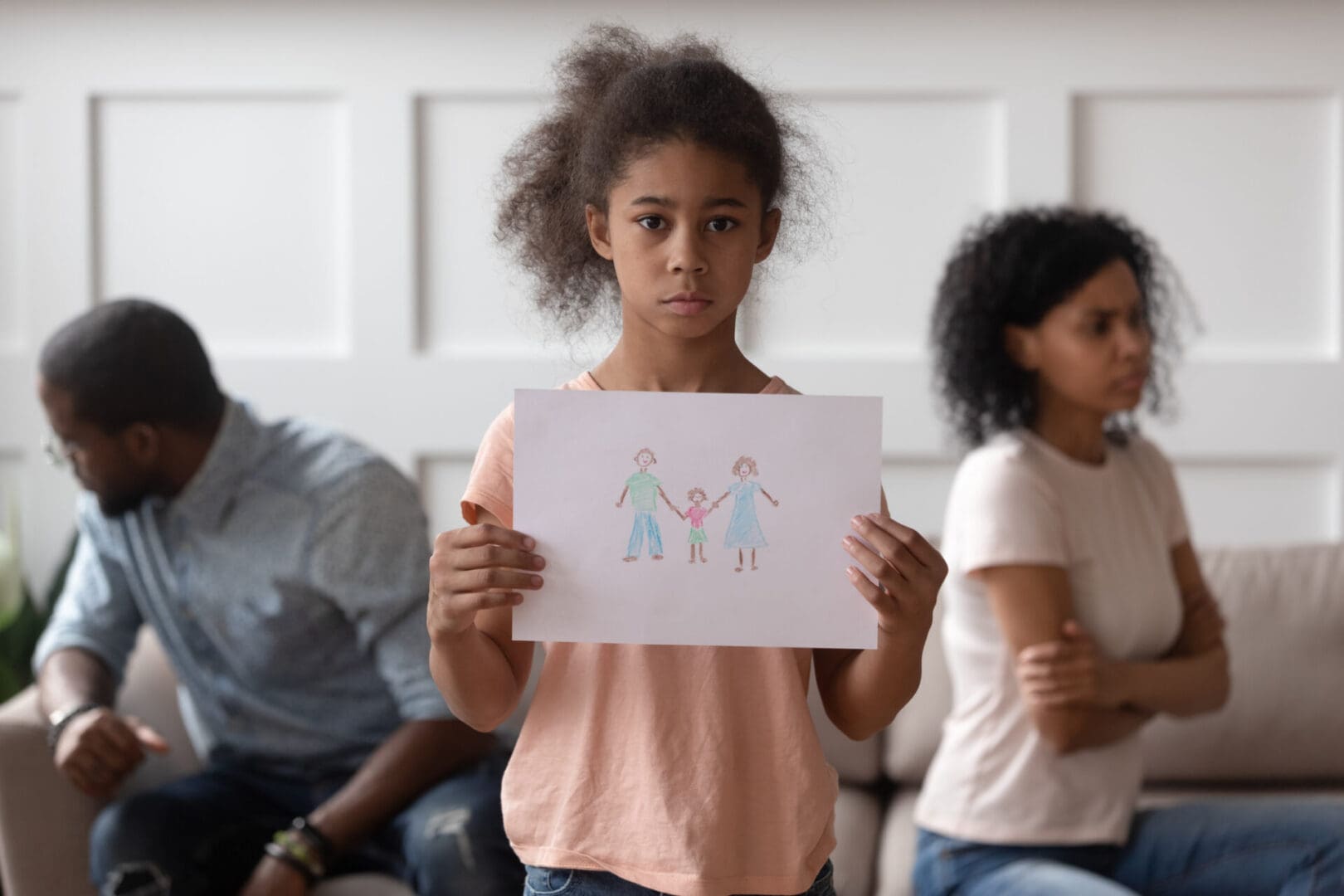
Sometimes a relationship doesn’t fall apart from shouting or slammed doors, but through silence. From the outside, everything appears steady: no explosive arguments, a functioning household, a couple who seem perfectly in sync at gatherings. But inside the home, the emotional silence is unmistakable. Conversations shrink to logistics and routines. The house is shared, but the relationship is not. Two people live together, but not truly with each other.
Have you ever found yourself going through the motions with a partner, co-existing while avoiding conflict, or feeling more like a roommate than an intimate partner? Maybe you’ve noticed the conversations thinning, the distance widening, or the sense of connection fading without a clear moment when it all began. If so, you may have experienced the early signs of a silent divorce long before recognizing its name.
There was a time in my life when I (Adriana) mistook my parents’ emotional silence for stability. I told myself that the absence of conflict meant everything was fine, that the distance between them was temporary, and that they were simply busy. I convinced myself that by being married, having children, and sharing a home together, they were still connected in every aspect. But looking back, I realize they were slowly drifting into parallel lives, emotionally separated. I didn’t see it then, but they were no longer partners, only people co-existing under the same roof. For years, I held onto the image of their marriage long after the intimacy between them had faded, hoping that one day the closeness I imagined would return.
What Is a Silent Divorce?
A silent divorce is described as “an emotional and physical disconnection between a legally married couple” that occurs without legal action or overt conflict. Partners remain married, share a home, and often maintain the appearance of stability, but the emotional, psychological, and sometimes physical intimacy that once defined the relationship has eroded. Unlike traditional divorce, a silent divorce is not about breaking apart but about slowly drifting apart. The relationship becomes a shell of its former self, held together by routine rather than connection (Nagda, 2025).
Over time, this emotional distance becomes so normalized that partners may not even recognize how profoundly the relationship has changed. Daily interactions become transactional rather than relational, focused on logistics instead of genuine connection. Moments that once sparked joy or curiosity now pass without acknowledgment, creating a quiet but persistent sense of loneliness. Both partners may feel the loss but struggle to articulate it, often fearing conflict or believing the disconnection is simply part of a long-term partnership. What remains is a marriage that functions on the surface yet feels hollow at its core, running on habit rather than love or intentional effort.

Why Silent Divorce Occurs
Silent divorces are shaped by a combination of psychological, relational, and cultural factors. While no single cause explains every case, several common patterns frequently contribute:
- Conflict Avoidance and Withdrawal: Avoidance is a major predictor of emotional disengagement. Many couples believe that avoiding conflict is a sign of maturity or stability. When couples fear conflict or believe that disagreement is harmful, they stop addressing issues. Over time, however, unspoken frustrations accumulate, creating emotional distance (Birditt et al., 2010; Gharaibeh et al., 2023).
- Emotional Exhaustion: Chronic stress, whether from work, parenting, finances, or health, reduces partners’ capacity for emotional investment. When both partners are depleted, connection becomes difficult to sustain (Sarwar & Akter, 2025).
- Unresolved Resentment: Small conflicts that go unaddressed can turn into deep resentment as we have previously writing on the blog. Even minor frustrations, when repeated over years, can create emotional walls (Sarwar & Akter, 2025).
- Attachment Style: Attachment research shows that avoidant attachment is linked to emotional withdrawal during marital conflict. Partners with avoidant tendencies may shut down emotionally when stressed, creating distance that becomes habitual (Berry et al., 2007).
- Cultural Pressures: Many cultures discourage open emotional expression, especially in long-term marriages. Couples may feel pressure to maintain appearances, avoid conflict, or prioritize stability over authenticity (Gharaibeh et al., 2023).
The Slow Fade into Silent Divorce
These patterns rarely lead to emotional disconnection overnight. Instead, silent divorces typically emerge through a slow, subtle erosion of connection. Some common signs and indicators include:
- Disappearance of Meaningful Conversations: Communication becomes transactional. Instead of sharing thoughts, dreams, or worries, partners talk only about logistics. Who’s picking up the kids? What bills are due? What needs to be done around the house? Research on marital communication patterns shows that emotional conversations decline long before partners recognize the severity of disconnection (Birditt et al., 2010; Gharaibeh et al., 2023).
- Parallel Lives: Partners begin living separate emotional lives despite sharing physical space, maintaining routines without relational intimacy. They may sleep in the same bed, eat at the same table, and attend the same events, yet feel worlds apart (Sahu, 2025).
- The Roommate Phase: This phase is characterized by shared logistics but absent emotional presence. Partners behave like efficient co-managers of a household rather than romantic partners. The relationship becomes defined by tasks rather than connection (Sahu, 2025).
- Lack of Intimacy: Emotional, physical, and intellectual closeness diminishes. Touch becomes rare. Conversations feel shallow. The spark that once fueled the relationship fades (Gharaibeh et al., 2023).
- No Shared Goals: Future planning disappears. Couples stop dreaming together, stop imagining what comes next, and stop investing in a shared vision (Owen et al., 2023).
- Feeling Unseen and Unheard: Partners stop seeking or offering emotional support. One or both may feel invisible, misunderstood, or emotionally abandoned (Sarwar & Akter, 2025).

Impact of Silent Divorce
Silent divorce erodes the partnership from within, replacing connection with habit and emotional self-protection. Partners often experience loneliness despite physical proximity, a sense of being unseen or misunderstood, and a gradual loss of shared identity. Without meaningful communication, resentment accumulates quietly, and the relationship shifts from collaboration to parallel living. The absence of conflict may feel like stability, but for many couples it becomes a slow emotional starvation, one that drains energy, diminishes satisfaction, and leaves both partners feeling isolated in their own home (Nagda, 2025; Sarwar & Akter, 2025).
Children are not spared from the impact either, as silent divorce creates an emotional climate that affects everyone in the home. Even in low-conflict households, children are remarkably attuned to the emotional temperature between their caregivers. Research consistently shows that children sense parental disengagement through subtle cues such as tone, body language, and emotional absence, even when there is no visible fighting. This quiet distance often shows up in children’s behavior through withdrawal, anxiety, difficulty concentrating, or emotional dysregulation. A home that appears “peaceful” from the outside may actually feel emotionally numb on the inside, and children internalize that silence as a model for how relationships work. Over time, this can shape their capacity for intimacy, trust, emotional regulation, and long-term relationship stability. In this way, silent divorce becomes a relational pattern that affects the entire family system, shaping the emotional well-being of both the adults living in it and the children absorbing it (D’Onofrio & Emery, 2019).
The effects of silent divorce may also extend far beyond the current relationship, influencing future generations. Children often learn what commitment, intimacy, and communication look like by observing the relationships around them. As discussed in Are You a Strong Link in Your Relationships?, the family is typically the first place where children construct their understanding of commitment and couple relationships, and those lessons can have lasting effects across the lifespan. The emotional distance, avoidance, and disengagement modeled in a silent divorce may become part of a child’s expectations for future relationships, shaping how they approach trust, vulnerability, conflict, and commitment as adults. Conversely, children who witness intentional efforts to reconnect, communicate, and work through challenges gain a different model of relational resilience. In this way, silent divorce is not only a challenge for the couple experiencing it, but also a potential influence on future generations. As Dr. Sibley notes, relationship decisions and patterns can impact generations, making the quality of the couple relationship a matter that extends beyond the partners themselves.

Repair is possible, but only when both partners actively re-engage, requiring intentional effort to rebuild connection.
- Acknowledge the Emotional Disconnection: Acknowledging the disconnection is effective because it breaks the silence that keeps partners drifting apart and turns an unspoken problem into something both people can address together. This signals a genuine desire to reconnect, creating safety for honest conversation and emotional repair (Rouabhia, 2024).
- Rebuilding Communication: Intentional communication is essential for reversing emotional withdrawal. This means not only talking more, but talking differently by sharing feelings, expressing needs, and listening with curiosity rather than defensiveness (Ryjova et al., 2024).
- Reintroduce Shared Rituals: Small rituals such as cooking together, sharing meals, taking walks, or maintaining bedtime routines can help strengthen connection. Rituals create predictability and emotional safety (Ryjova et al., 2024).
- Couples Therapy: Therapeutic interventions help partners identify patterns, rebuild trust, and develop healthier communication habits. Therapy can help couples understand the roots of their disengagement and create a roadmap for reconnection (Bradbury & Bodenmann, 2020). We encourage you to find someone that is specifically trained to work with couples such as a licensed marriage and family therapist.
Breaking the Silence
Silent divorces are more common than many realize. They develop quietly, sustained by avoidance and emotional fatigue, often long before either partner consciously recognizes the shift. What begins as small moments of disconnection gradually becomes a pattern that feels normal, even though it erodes the foundation of the relationship. Many couples continue functioning side by side, convincing themselves that stability is the same as closeness. But silence does not have to define the future of a relationship.
Whether partners choose to rebuild or separate, the first step is acknowledging the emotional reality of the marriage. This honesty interrupts the autopilot mode that keeps couples drifting instead of engaging. It also creates space for both partners to express needs that may have gone unheard for years. Research consistently shows that relationships can survive conflict, but they cannot survive detachment. When partners finally name the distance, they begin shifting from passive progression to intentional choice, beginning to decide rather than slide (Owen et al., 2023).
Breaking the silence is the beginning of healing, growth, and clarity. It allows couples to understand not only what has been lost but also what might still be possible. This moment of truth can spark renewed effort, deeper empathy, and the kind of forgiveness that helps partners move beyond past disappointments and reconnect with one another. It may also lead to a compassionate decision to part ways when reconciliation is no longer possible. It is the moment when partners stop drifting and start choosing: choosing to reconnect, to communicate, and to invest intentionally in the future of their relationship. In many ways, overcoming a silent divorce requires moving from passive co-existence to active commitment, recognizing that healthy relationships are not sustained by habit alone but by deliberate choices made day after day. In that choice, whatever direction it leads, there is dignity, agency, and the possibility of emotional renewal.
References
- Berry, K., Wearden, A., & Barrowclough, C. (2007). Adult attachment styles and psychosis: An investigation of associations between general attachment styles and attachment relationships with specific others. Social Psychiatry and Psychiatric Epidemiology, 42(12), 972–976.
- Birditt, K. S., Brown, E., Orbuch, T. L., & McIlvane, J. M. (2010). Marital conflict behaviors and implications for divorce over 16 years. Journal of Marriage and Family, 72(5), 1188–1204.
- Bradbury, T. N., & Bodenmann, G. (2020). Interventions for Couples. Annual Review of Clinical Psychology, 16, 99–123.
- Brüning, M. (2022). Separations of romantic relationships are experienced differently by initiators and noninitiators. Proceedings of the National Academy of Sciences, 119(23).
- D’Onofrio, B., & Emery, R. (2019). Parental divorce or separation and children’s mental health. World Psychiatry, 18(1), 100–101.
- D’Rozario, A. B., & Pilkington, P. D. (2022). Parental separation or divorce and adulthood attachment: The mediating role of the Abandonment schema. Clinical Psychology & Psychotherapy, 29(2), 664–675.
- Gharaibeh, M., Al Ali, N., Odeh, J., & Shattnawi, K. (2023). Separate souls under one roof: Jordanian women’s perspectives of emotional divorce. Women’s Studies International Forum, 98.
- Nagda, B. (2025). The anatomy of a silent divorce. International Journal for Multidisciplinary Research, 7(5).
- Owen, J., Rhoades, G. K., & Stanley, S. M. (2013). Sliding Versus Deciding in Relationships: Associations With Relationship Quality, Commitment, and Infidelity. Journal of Couple & Relationship Therapy, 12(2), 135–149.
- Rouabhia, R. (2024, October 4). Silent divorce: Emotional disconnection in marriage. Medium.
- Sahu, I. (2025). Silent divorce: Together but apart, a sociological analysis on the hidden marriage red flag. International Journal of Sociology and Humanities, 7(2), 96-98.
- Sarwar, A. S. M., & Akter, S. (2025, November 13). Silent separation and its impact on depression and family life: Development and validation of the Silent Separation Scale (SSS) (Version 1) [Preprint]. Research Square.
Discover more from Decide To Commit
Subscribe to get the latest posts sent to your email.

I am a junior at Northern Illinois University. I am majoring in Human Development and Family Science with an emphasis in Family Social Services and minoring in Art. After I graduate, I am going to pursue a Master’s Degree in Social Work and become an elementary school social worker.