
In the beginning, it feels like magic.
Starting a new relationship often brings a rush of energy that feels almost euphoric. There are endless smiles, late‑night conversations that make sleep feel optional, and moments where time seems to pause. Your heart does not only flutter during the exciting dates or big milestones, but also in the quiet moments too. The so‑called “butterflies” are real, and during the honeymoon phase, they can feel limitless. Recent neuroimaging work shows that early romantic feelings recruit reward and motivation circuitry, helping explain why ordinary moments seem extraordinary at the beginning (e.g., Acevedo et al., 2020; Wang et al., 2020).
But eventually with time, the high softens. The butterflies do not disappear overnight, instead they simply settle. The spark is still there, but it no longer carries the same intensity or adrenaline‑like rush. This shift can feel confusing or even a little disappointing, yet this transition is completely natural. It is not a sign that something is wrong, but instead that the relationship is maturing. Early infatuation makes space for something steadier, deeper, and far more sustainable to take place.
The Science of the Honeymoon Phase
Researchers define the honeymoon phase as a period marked by heightened attraction, idealization, and a sense of effortless compatibility (The Gottman Institute, 2025), typically lasting from a few weeks to roughly two years. This aligns with findings that early‑stage romantic love activates the brain’s reward system in a way similar to addictive substances, reinforcing the desire to stay close to one’s partner.
During this time, couples usually feel deeply connected, motivated to impress one another, and unusually optimistic about their future. Biology plays a major role as early romantic attraction triggers a surge of dopamine, oxytocin, and other neurochemicals that create feelings of excitement, pleasure, and emotional closeness. These chemicals amplify the sense that your partner is extraordinary and that the relationship is uniquely special. Your brain is working to bond you to this new person, which is why everything feels so intense and so right.
There is also a cognitive component. In the early stages, partners often idealize one another. You see the best in each other, overlook small flaws, and assume compatibility in areas you have not explored yet. This idealization is not naïve. It is a normal part of relationship formation that helps couples build momentum before they encounter the more complex realities of long‑term partnership.
Socially, the honeymoon phase is a period of discovery. Couples learn each other’s rhythms, preferences, vulnerabilities, and dreams. Novelty makes even the simplest moments feel meaningful. The relationship feels easy not because it is perfect, but because both partners are putting in high levels of energy, attention, and emotional generosity. This stage does not last forever, and it is not supposed to. It lays the foundation for deeper intimacy, trust, and commitment. When the intensity softens, it creates space for a more grounded, secure, and enduring form of love to develop.
Common Characteristics of the Honeymoon Phase
- Intense Attraction
- Euphoria and Elevated Mood
- Idealization of your Partner
- Effortless Connection and Communication
- Infatuation and Emotional Intensity
- Reduced Conflict or Avoidance of Conflict
- A Sense that Everything “Just Works”

Why the Butterflies Settle
Many couples believe they will never leave the honeymoon phase, but transitioning out of it is natural and does not mean the relationship is failing. Over time, the strong feelings of infatuation begin to fade as the relationship matures. Traits that once seemed endearing may start to feel irritating. You may spend less quality time together or do fewer thoughtful gestures than you once did. That being said, research with diverse newlyweds show that many couples maintain high, stable satisfaction, and pronounced declines are concentrated among those who enter marriage less satisfied or under greater risk (Williamson & Lavner, 2020).
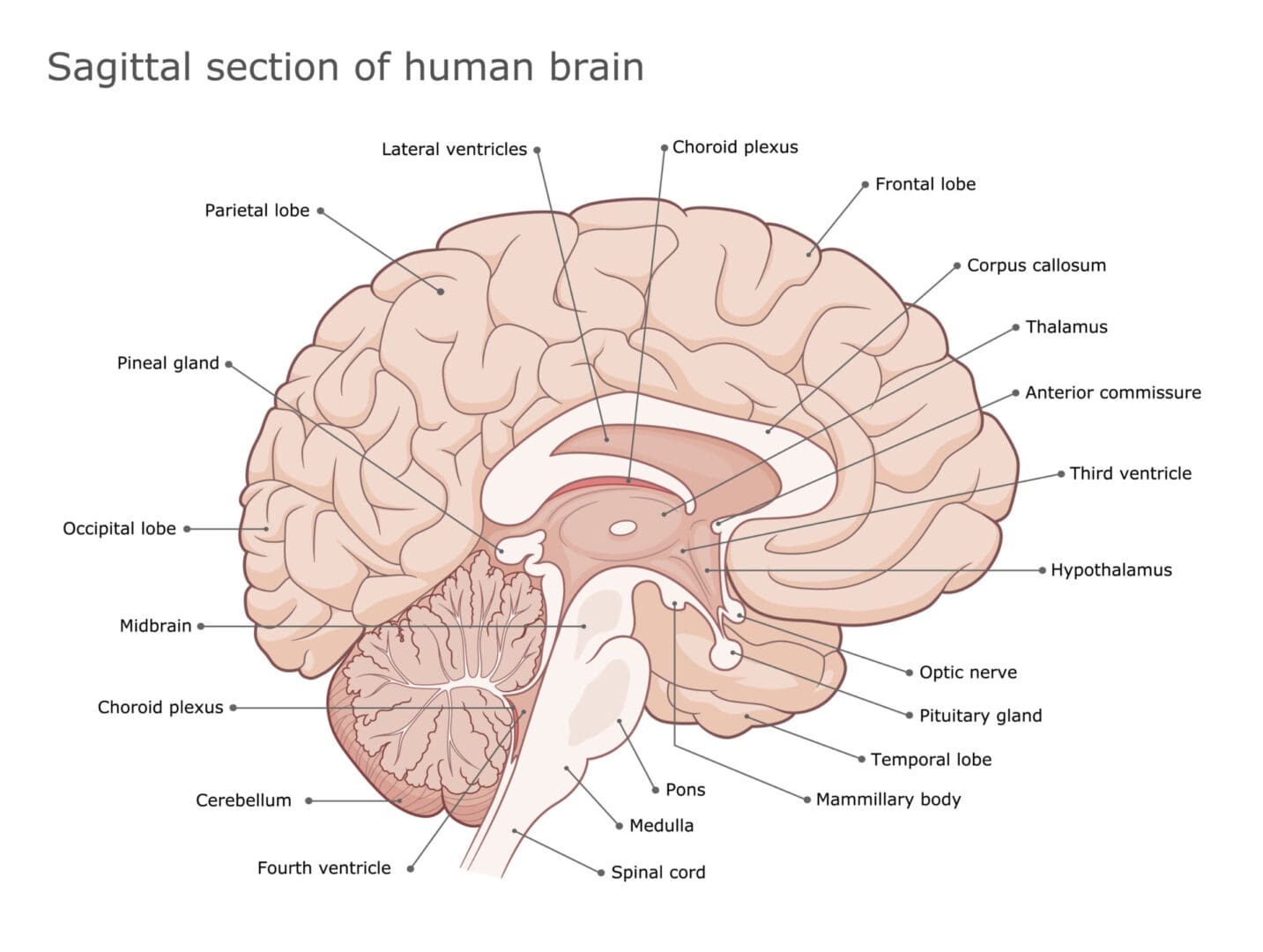
Scientists at Harvard Medical School have identified neurological mechanisms behind this shift. When an individual is in love the caudate nucleus (located next to the thalamus) and ventral tegmental area (in the midbrain) of the brain are stimulated. This stimulation causes there to be an excessive release of dopamine, the neurotransmitter involved in pleasure, motivation, and reward. Cortisol levels also rise, and this increase is linked to a decrease in serotonin, which plays a role in emotional balance. The result is a mix of excitement, stress, and obsessive thoughts.
With time, these hormone levels return to baseline. The intensity eases, the anxiety of new love fades, and the craving to be with your partner becomes less urgent. This does not mean you love them any less. The end of the honeymoon phase is not a relationship problem. It is simply biology finding equilibrium. Over time, dopamine, cortisol, and serotonin levels naturally return to more stable states. This reduces the urgency, hyperfocus, and emotional intensity of early love. Research on long‑term attachment shows that while the initial dopamine surge decreases, oxytocin‑driven bonding strengthens, shifting the relationship toward deeper emotional security rather than constant excitement.
The softening of early intensity is a normative shift rather than a failure. A 2021 meta‑analysis across 165 samples found that satisfaction tends to decline most in the first years of a relationship and then stabilizes or changes more gradually, with life events and developmental stages shaping the curve (Bühler et al., 2021). Another meta‑analysis shows that the transition to parenthood is one key period of decline for many couples, especially across the first 24 months after birth (Bogdan et al., 2022).
For a more detailed explanation on this phenomenon check out this video:
Can the Honeymoon Phase Come Back?
Yes, but generally this requires a proactive approach as a couple. Longitudinal neuroimaging with newlyweds indicates that couples who sustain closeness and intimacy continue to show activation in dopamine‑rich regions when viewing a partner, suggesting that romantic love can be maintained when bonding behaviors persist (Acevedo et al., 2020). Trajectory research likewise shows that strong relationships can remain highly satisfying over time. Modifiable behaviors such as affection, shared activities, constructive communication, seem to be associated with creating these intense romantic feeling again (Bühler et al., 2021; Williamson & Lavner, 2020).
How to Rekindle the Spark:
- Prioritize Open, Frequent Communication: Open, vulnerable communication fosters intimacy and trust. Research on connection shows that emotional self‑disclosure activates bonding circuits tied to oxytocin, strengthening emotional closeness between partners. Do not be afraid to talk to your partner about what is bothering you. Communication is central to healthy committed relationships. You partner cannot read your mind so talking them through what you are thinking can help. If you want something to change you need to open yourself up and be vulnerable. This is the first step to any change, you cannot expect other to know how you feel if you do not disclose it with them.
- Continue to Date Each Other: As relationships progress through milestones such as living together, marriage, buying a home, or raising children, one‑on‑one time becomes harder to find. Return to what you did in the beginning. Date nights do not need to be expensive. A backyard picnic, stargazing, cooking together, or having a game night can all help reignite connection. Make dating a habit.
- Emphasize Intimacy: Being intimate with a partner, both emotionally and physically, can help both partners feel seen and wanted. Find a time where you and your partner can come together without distractions to be there for one another. During this time share wants and fantasies, not just sexual ones but even hopes, dreams, and things which you miss in the relationship. It can be hard to schedule this time together when the realities of life can pull you and your partner apart, it is important to come together stronger than ever. Even if it is hard, be vulnerable to one another and open up.
- Choose Gratitude over Routine: When you and your partner have been together a while and even live together, a routine eventually builds. This routine is not bad but it becomes harmful when there is no acknowledgement. Maybe one partner makes lunch for the both of you while the other does this dishes. Both important, but make sure there is an appreciation for all you do for each other. Even a simple compliment on tasks you do for each other can go a long way. This makes you and your partner feel appreciated and want to continue doing these things rather than just accept it as a part of their lives. Bringing up the example of making lunches, leaving notes in the lunch box for your partner to read can make their day and get them excited to come home and see you.
- Stay Playfully Curious: Trying new things together strengthens your connection. Flirting, sending funny texts, creating new inside jokes, or dancing in the kitchen can bring back feelings of novelty. In the beginning, everything felt exciting because you were discovering each other. You can recreate that by introducing new experiences with opportunities for surprise and laughter. When reflecting on the early days of the relationships everything felt new because you were discovering each other; you can recreate that by switching things up.
- Remember Why You Love Your Partner: Sounds simple, but remind yourself what traits and reasons you fell for your partner in the first place. Doing this can give you those early feelings of affection. By continuously shifting your focus back to gratitude and admiration you can transform your mindset. Think back to what made you smile about them in the beginning, their kindness, humor, and how they made you feel understood. The qualities are still in your partner but might just be masked by the busyness of life. Revisiting memories which you and your partner share can make you feel nostalgic and help you see how far you and your partner have come as a couple.

The Truth About Lasting Love
The end of the honeymoon phase isn’t a sign that the relationship is broken, it can simply be the meaning of something deeper. While the rush of early infatuation naturally fades, what replaces it can be far more meaningful.
A relationship isn’t defined by how long the butterflies last but by how two people choose to show up for each other once those flutters settle. In my (Sara) personal relationship, I have been with my boyfriend for almost two years (where research states the honeymoon phase tends to end) and we have practiced these habits daily and it has made our relationship and feelings towards one another even stronger. We continue to date one another and by choosing each other everyday, we’ve learned that love doesn’t just mean the spark we feel by each other but also the work, care, and intention we put into it over time.
Love evolves and with the right person and habits it grows into something better than the beginning. As you and your romantic partner focus on each other you can create a lasting bond rooted in trust, commitment, and genuine connection.
References
- Acevedo, B. P., Poulin, M. J., Collins, N. L., & Brown, L. L. (2020). After the honeymoon: Neural and genetic correlates of romantic love in newlywed marriages. Frontiers in Psychology, 11, 634.
- Bogdan, I., Turliuc, M. N., & Candel, O. S. (2022). Transition to parenthood and marital satisfaction: A meta‑analysis. Frontiers in Psychology, 13, 901362.
- Bühler, J. L., Krauss, S., & Orth, U. (2021). Development of relationship satisfaction across the life span: A systematic review and meta-analysis. Psychological Bulletin, 147(10), 1012–1053.
- Edwards, S. (2015) “Love and the Brain.” Harvard Medical School.
- Fisher, H., as cited in Harvard Medical School. (2015). Love and the brain. Harvard Medical School.
- Pacific Neuroscience Institute. (2025). The neuroscience of love and connection.
- The Gottman Institute. (2025, August 27). Is the honeymoon phase a myth? Understanding love’s most romanticized stage.
- Williamson, H. C., & Lavner, J. A. (2020). Trajectories of marital satisfaction in diverse newlywed couples. Social Psychological and Personality Science, 11(5), 597–604.
Discover more from Decide To Commit
Subscribe to get the latest posts sent to your email.

My name is Sara Rozalowski and I am a Senior at Northern Illinois University double majoring in Health & Human Sciences and Rehabilitation & Disability Services with a minor in Family Child Studies. After graduation I plan on going to optometry school to fulfill my lifelong dream of becoming an Optometrist.

I am an associate professor at Northern Illinois University in Human Development and Family Sciences, and a licensed Marriage and Family Therapist. As a researcher I am interested in commitment in couple relationships, romantic relationship formation, marriage, and decision-making in the emerging adult (18-29 year-old) population.