
With over 20 million copies sold, Gary Chapman’s The 5 Love Languages has become a cultural phenomenon since its release in 1992. Translated into 50 languages and featured on bestseller lists like The New York Times for hundreds of weeks, its influence now stretches far beyond the bookshelf. From therapy sessions to dating apps to TikTok—where the hashtag #lovelanguage has racked up billions of views—Chapman’s framework has become a modern shorthand for how we give and receive love (Chapman, 2025).
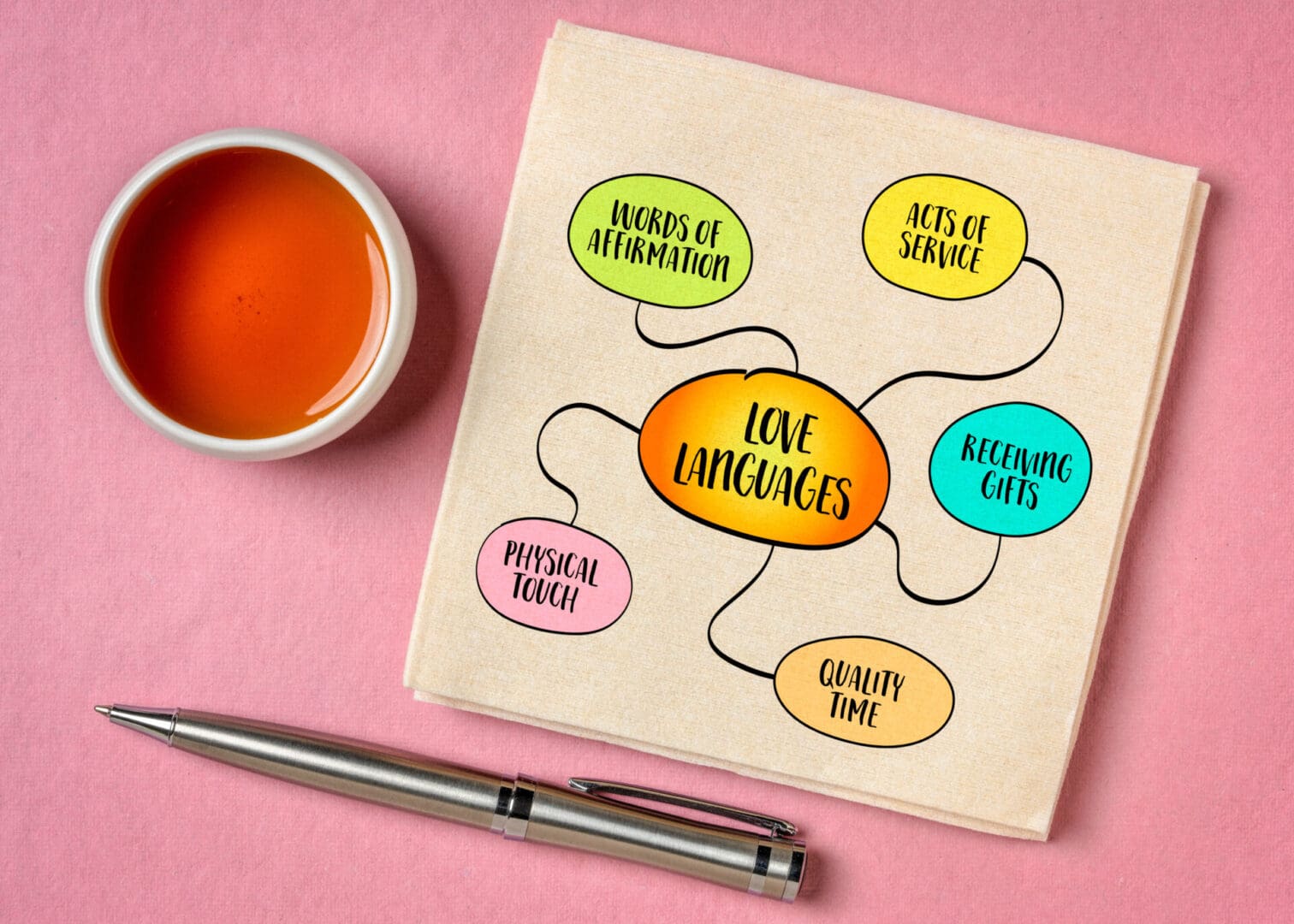
At the heart of its appeal is simplicity: five categories—words of affirmation, quality time, physical touch, acts of service, and receiving gifts—each representing a unique way people express affection. Chapman’s online quiz has been taken over 133 million times, offering couples a quick and intuitive way to decode emotional needs.
But as the framework has gained popularity, researchers have begun to ask: is it really that simple?
Recent studies suggest the answer is more nuanced. Flicker and Sancier-Barbosa (2025) found that expressing love in any of the five languages—not just a partner’s primary one—can significantly enhance relationship satisfaction. Similarly, Klussman et al. (2022) emphasized the role of self-awareness in identifying one’s love language, linking it to deeper emotional alignment and personal values. A meta-analysis by Winder (2023) revealed that emotional expression across multiple modalities—not just one preferred style—was a stronger predictor of long-term intimacy and reduced conflict.
Adding to this growing body of research, Impett et al. (2024) critically examined the love languages framework through the lens of relationship science. While acknowledging its cultural popularity, they found limited empirical support for the idea that matching love languages directly improves relationship outcomes. Instead, they emphasized the importance of responsiveness—being attuned to a partner’s emotional needs—as a more reliable predictor of satisfaction and connection. As Impett et al. (2024) suggest, expressing love in a relationship is much like maintaining a balanced diet—focusing too heavily on one “nutrient” or love language may leave other emotional needs unmet. A healthy relationship thrives when partners offer a variety of loving behaviors, even those outside their own preferences, to nourish the connection fully.
When evaluating the love languages framework through a scientific lens, Impett et al. (2024) identified three key findings that challenge popular assumptions:
- Limited empirical support for matching love languages: The idea that couples must speak the same love language to be satisfied in their relationship lacks strong scientific backing. Matching styles may help, but it’s not essential for relationship success.
- Responsiveness matters more than matching: What truly predicts relationship satisfaction is not whether you speak the same love language, but whether you are emotionally responsive—attuned to your partner’s needs, feelings, and cues.
- Love languages may oversimplify emotional expression: While useful as a communication tool, the framework can obscure the complexity of how people give and receive love, especially across different cultural, relational, and emotional contexts
In other words, while knowing your partner’s love language is helpful, love isn’t a one-lane road. It’s a dynamic, evolving conversation—and the more fluent you become in all five languages, the stronger your connection can grow.
What are the 5 Love Languages?
According to Gary Chapman, there are five primary love languages—distinct ways people express and receive love. These include words of affirmation, quality time, physical touch, acts of service, and receiving gifts. Understanding each one can help couples connect more deeply and communicate affection more effectively. Here’s a quick breakdown of what each love language looks like in action:
- Words of affirmation: Verbally expressing love and appreciation, such as saying “I love you” or offering compliments and encouragement.
- Quality time: Giving your partner your full attention—whether through a quiet dinner, a shared activity, or simply being present without distractions.
- Physical touch: Showing affection through physical contact—like holding hands, hugging, kissing, or cuddling.
- Acts of service: Doing helpful things for your partner without being asked—like taking out the trash, making coffee, or running an errand.
- Receiving gifts: Giving thoughtful items, big or small, that show you’re thinking of your partner—like a handwritten note, a favorite snack, or a small keepsake.
While each love language offers a meaningful way to express care, they can also present challenges. For example, gift-giving might be misinterpreted as trying to “buy” affection rather than offering a heartfelt gesture (Village Counseling, 2024). Acts of service can feel awkward to request, and physical touch may raise questions about comfort levels or boundaries—especially around public displays of affection. These misunderstandings are common, but they can often be resolved through open, respectful conversation.
If you expect your partner to understand and respond to all five love languages—and hope to do the same in return—it’s essential to talk about it. These conversations not only reduce confusion but also strengthen emotional intimacy and trust. In fact, research shows that emotional expression plays a vital role in relationship satisfaction (Bunt et al., 2017). A great place to start is by asking your partner how they feel when you express love in different ways.
Taking time to define your relationship and clarify your intentions can prevent miscommunication and deepen your connection. As explored in a previous blog post on emotional communication in romantic relationships, a great start to having this conversation would be to ask your partner how they feel when you express love in different ways. Taking the time to define your relationship and clarify your intentions can prevent confusion and strengthen emotional trust.
The Steps to Discovering Your Favorite Love Language
While this idea of love languages has gained popularity in recent years, it’s important to note that there is not significant research backing up the effectiveness of them. However, it is totally normal and even sometimes helpful when we gravitate towards one language, and maybe even see it as our favorite love language. Having a favorite love language can build the foundation of understanding how to give and receive love in different ways, especially when being intentional.
The most important step in discovering your favorite love language is your self-awareness. Being aware of what you need leads to self-acceptance, which in turn helps you reveal the alignment between your favorite language and your personal values (Klussman et al., 2022). When you are self-aware you are thinking deeper about the thoughts and emotions you have when faced with different situations. You then are able to accept the ways you react to them, avoiding self-blame and negativity. Then when you are able see the connection between your actions and emotions, you are able to align them with your core values (Klussman et al., 2022).
Here is a quick quiz you or your partner can take to discover your love language: The Love Language® Quiz
Knowing Your Partners Love Language
Knowing your partners favorite love language is crucial within a relationship. When you learn to express the love language your partner yearns for, you are also learning to show them how much they mean to you. Too many don’t realize that everyone’s love language is different, and one language may not be what their partner wants. Once you start expressing love through all 5 languages, your relationship will become much more meaningful, and arguments and misunderstandings are very likely to decrease.
Many people assume their partner knows how much they are appreciated because they express their love the way they want to receive it.
While this concept is widely practiced, recent research challenges the idea that speaking your partner’s favorite love language is the golden key of success. Instead, Flicker and Sancier-Barbosa (2025) found that feeling love from any of the five love languages was just as important as being loved from your primary (or favorite) love language. With that considered, it is important to show love to your partner from all five languages, no matter which they say they prefer most! Interestingly enough, quality time and words of affirmation were found as the leading love languages overall, so when in doubt of what your partner needs, try one of these!
In fact, it is shown to improve many things like communication, intimacy, personal growth, long-term satisfaction, and your overall relationship bond (Chapman, 2025). Expressing love through all five languages can also nurture long-term intimacy, as talked about in this post on maintaining romantic connections. Becoming more attentive to your partners needs will allow your emotional connection to blossom and reduce the chances of unconscious emotional neglect. There is bound to be some type of disconnect within your relationship if you and your partner do not discuss the ways you need to see love (Winder, 2023).
When emotional needs go unmet or misunderstood, it can create an imbalance in how each of you show up within the relationship. If you do take the time to discover each other’s favorite love languages, you then will most likely be able to communicate with them avoiding confrontation. While not all confrontation is avoidable, we all know it is about the delivery. If you take the time to approach your partner in a loving manner that they see fit, they are much more likely to respond in a rational way.
Personally, my (Lexi) favorite love language is quality time. To me, there is nothing better than hanging out with my partner and doing nothing at all! I find myself happiest when him and I are just hanging out at the house watching movies, cooking together, running errands, and planning a fun activity to do just the two of us. That being said, that is not his favorite love language, which was very difficult for him to display when he was living across the world from me. Since he has now ended his time with the military, we are finally able to spend much more time together, but it was unnatural to the both of us at the start. Rebuilding closeness after time apart can totally feel unfamiliar, especially when military service schedules have shaped different routines and emotional rhythms. Before having the conversation about what our love languages are and what they look like, it was sometimes difficult to know what the other needed. I found myself feeling distant from him, while he thought he was doing everything right. He would send me sweet messages, call all the time, and made sure to hug me and hold my hand whenever he got the chance to. It’s not that I didn’t appreciate those gestures, but now that he’s home and is able to show me love in all 5 languages, I feel more connected to him than ever!
Does it matter if you and your partner have the same favorite love language?
The idea of the 5 love languages has become such a common tool in relationships with helping people think more about how they receive and show love in intentional ways. While the idea of these love languages are popular and commonly used, it’s important to remember that there is no true research backing this idea up that having the same primary love language as your partner will improve relationship quality. That being said, many people still use it as a starting point in their relationship for understanding what their partner prefers.
Some studies show relationships can be much easier when you both share the same favorite love language, however, if that’s not the case don’t worry, it is never a deal breaker (Krauss, 2024). People are very likely to express love differently than they would like to receive it. While in a perfect world you would express love the way your partner likes to hear it and vice versa, that is rarely the case. Each of the 5 love languages are equally important, so as long as your partner knows you are trying your best to show love in all 5 languages, and they are doing the same, you’re already set up for success.

The Impact of Speaking the Same Love Language as Your Partner
For the relatively few couples who share the same primary love language, research has identified several benefits. Notably, both relationship and sexual satisfaction tend to increase significantly—particularly for men (Mostova, 2022). Sharing a love language may also enhance empathy, as partners are more likely to intuitively understand each other’s emotional needs. While each love language offers distinct mental health benefits, some studies suggest that couples who speak the same primary love language may experience reduced symptoms of depression and anxiety (Nolan & Garza, 2024).
That said, it is important to recognize that the Five Love Languages framework, while widely popular, is not grounded in extensive empirical research. Rather, it serves as a practical tool that helps many couples initiate conversations about emotional needs and explore diverse ways of expressing affection. Its value lies in creating a shared vocabulary for love and connection—but it should not be mistaken for a comprehensive solution to deeper relational challenges.
Interestingly, speaking the same love language can also present challenges. Partners may share a preferred love language but differ in how they express or receive it. For example, within the category of physical touch, one partner may enjoy public displays of affection, while the other may view such behavior as inappropriate. These mismatches can lead to misunderstandings or feelings of disrespect. Moreover, assuming that a shared love language will automatically resolve all relationship issues can be misleading. In reality, relational dynamics are rarely that simple.
Recent research suggests that, regardless of individual preferences, words of affirmation and quality time are the most universally impactful of the five love languages (Flicker & Sancier-Barboasa, 2025). Given this, couples may benefit from using the love languages as a starting point—while also prioritizing open communication, honesty, and curiosity, especially during times of conflict or emotional strain.
How to Incorporate All of the 5 Love Languages
While most people have a dominant love language, healthy relationships often thrive when partners make an effort to express love in all five. Doing so not only broadens emotional connection but also shows a deeper level of commitment—one that says, “I’m willing to learn how you feel loved, even if it’s not my natural style.” Here are some simple, everyday ways to incorporate each love language into your relationship:
- Words of affirmation: Tell your partner you love them and express appreciation for what they do daily, if possible. A kind word can go a long way.
- Quality time: Plan a private date, have a movie night, or do a creative activity together. The key is undivided attention.
- Physical touch: Hug, kiss, cuddle, or hold hands. Even small gestures of affection can build intimacy.
- Acts of service: Without being asked, take out the trash, put away the dishes, or pack their lunch. These thoughtful actions show you’re paying attention.
- Receiving gifts: Surprise them with a card, candy, flowers, or something small that reminded you of them. It’s the thought that counts.
Love Languages Are a Start—Commitment Is the Journey
Ultimately, while the Five Love Languages can offer a helpful starting point for understanding how we give and receive love, they are not a cure-all. Real relationship growth comes from a deeper commitment to learning about your partner over time—especially when things get difficult. While these five love languages are known universally, it’s important to remember that they look different for everyone. What feels like love to one person might feel unfamiliar or even uncomfortable to another—and that’s perfectly okay. The key is curiosity and care. Take time to learn your how best receive love, share it with your partner, and listen deeply to what resonates with them.
This kind of intentional effort isn’t just about affection—it’s about commitment. As highlighted on on this blog, commitment is more than staying together; it’s about actively choosing your partner again and again, especially in moments of transition, stress, or uncertainty. When you incorporate all five love languages with flexibility and empathy, you’re not just expressing love—you’re reinforcing your decision to invest in the relationship.
Love languages, when used wisely, can reduce misunderstandings, foster emotional safety, and open the door to more meaningful communication. But they also serve as daily rituals of commitment—small, consistent ways of saying “I’m here, I choose you, and I’m willing to grow with you.” And that’s the kind of love that lasts.
References
- Bogenberger, R. (2025, February 25). Love languages: Examples, benefits, and limitations. Therapist.com.
- Bunt, S., & Hazelwood, Z. J. (2017). Walking the walk, talking the talk: Love languages, self-regulation, and relationship satisfaction. Personal Relationships, 24(2), 280–290.
- Chapman, G. (2025). What are the 5 love languages?. Discover Your Love Language® – The 5 Love Languages®.
- Flicker, S. M., & Sancier‐Barbosa, F. (2024). Testing the predictions of Chapman’s Five love languages theory: Does speaking a partner’s primary love language predict relationship quality? Journal of Marital and Family Therapy, 51(1).
- Impett, E. A., Park, H. G., & Muise, A. (2024). Popular Psychology Through a Scientific Lens: Evaluating Love Languages From a Relationship Science Perspective. Current Directions in Psychological Science, 33(2), 87–92.
- Klussman, K., Curtin, N., Langer, J., & Nichols, A. L. (2022). The importance of awareness, acceptance, and alignment with the self: A framework for understanding self-connection. Europe’s Journal of Psychology, 18(1), 120–131.
- Krauss, S. (2024). Does your partner need to speak your love language?. Psychology Today. Retrieved from: https://www.psychologytoday.com/us/blog/fulfillment-at-any-age/202411/does-it-matter-if-your-partner-speaks-your-love-language?msockid=29e7e652228b6c043c0cf3c323e96d6b
- Mostova, O., Stolarski, M., & Matthews, G. (2022). I love the way you love me: Responding to partner’s love language preferences boosts satisfaction in romantic heterosexual couples. PloS One, 17(6), e0269429.
- Village Counseling. (2024, April 18). The 5 Gottman Love languages: Communicate your love better. Retrieved from: https://www.villageoec.com/gottman-love-languages-tips-for-better-communication-with-your-partner/
- Winder, G. B. A. (2023, October 14). Why knowing your partner’s love language can strengthen your bond. Heartmanity Blog. Retrieved from: https://blog.heartmanity.com/why-knowing-your-partners-love-language-can-strengthen-your-bond
Discover more from Decide To Commit
Subscribe to get the latest posts sent to your email.

Hi! My name is Lexi DeHart and I am a first‑year graduate student in the Marriage and Family Therapy program, building on my bachelor’s degree in Human Development and Family Sciences with an emphasis in Family Social Services and a minor in Addiction Studies. After my master’s, I plan to continue to earn my doctorate and contribute to the field through clinical work, research, and teaching!

I am an associate professor at Northern Illinois University in Human Development and Family Sciences, and a licensed Marriage and Family Therapist. As a researcher I am interested in commitment in couple relationships, romantic relationship formation, marriage, and decision-making in the emerging adult (18-29 year-old) population.